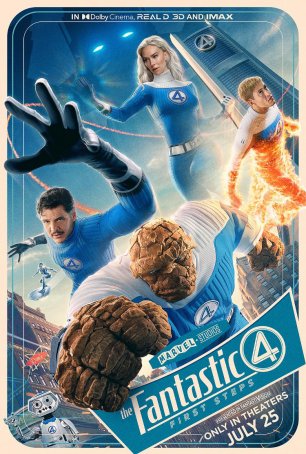
U.S. Release Date: 2025-07-25
MPAA Rating: "PG-13" (Violence)
Genre: Action/Adventure
Director: Matt Shakman
Cast: Pedro Pascal, Vanessa Kirby, Joseph Quinn, Ebon Moss-Bachrach, Ralph Ineson, Julia Garner, Natasha Lyonne, Paul Walter Hauser
Removing the shackles of canon and continuity allow "First Steps" to breathe.
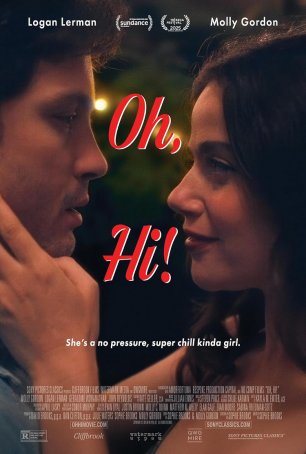
U.S. Release Date: 2025-07-25
MPAA Rating: "R" (Sexual Content, Nudity, Profanity)
Genre: Comedy
Director: Sophie Brooks
Cast: Molly Gordon, Logan Lerman, Geraldine Viswanathan, ...
Anyone familiar with "Misery" will recognize the connective tissue, but Brooks does not want the movie to stray close to horror territory and therefore avoids taking chances.

U.S. Release Date: 2025-07-18
MPAA Rating: "R" (Violence, Profanity, Nudity)
Genre: Thriller
Director: Ari Aster
Cast: Joaquin Phoenix, Pedro Pascal, Emma Stone, ...
The ham-fisted attempts to push buttons and manipulate viewers into thinking they are watching something incisive interfere with the shaky narrative.
Latest ReelThoughts
- Jan 3rd 2025 | Rewinding 2024 - The Year in Film
- Jan 3rd 2024 | Rewinding 2023 - The Year in Film
- Jan 4th 2023 | Rewinding 2022 - The Year in Review (Including Top 10 List)
- Dec 31st 2021 | Rewinding 2021: The Year in Film (Including the Top 10)
- Jan 16th 2021 | Rewinding 2020: The Year in Movies (The Top 10)
- Feb 2nd 2020 | Berardinelli's Ballot: The 2020 Oscars
- Dec 31st 2019 | Rewinding 2019: The Year in Review
Latest VideoViews
- Jul 10th 2025 | Piano Lesson, The
- May 12th 2025 | Something Wicked This Way Comes
- May 1st 2025 | Kill Bill
- Apr 7th 2025 | Tommy Boy
- Mar 6th 2025 | Dazed and Confused
- Feb 10th 2025 | Beyond Utopia
- Jan 30th 2025 | Jackie Brown

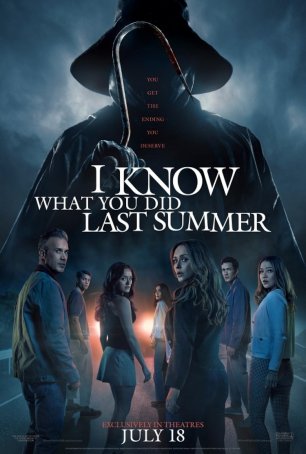
U.S. Release Date: 2025-07-18
MPAA Rating: "R" (Violence, Gore, Profanity, Sexual Content)
Genre: Horror
Director: Jennifer Kaytin Robinson
Cast: Madelyn Cline, Chase Sui Wonders, Jonah Hauer-King, Tyriq Withers, Sarah Pidgeon, Jennifer Love Hewitt, Freddy Prinze Jr., Billy Campbell
Seemingly every choice made during the final quarter-hour is precisely the wrong one.

U.S. Release Date: 2025-07-11
MPAA Rating: "PG-13" (Violence, Profanity)
Genre: Adventure
Director: James Gunn
Cast: David Corenswet, Rachel Brosnahan, Nicholas Hoult, Edi Gathegi, Anthony Carrigan, Nathan Fillion, Isabela Merced, Skyler Gisondo, Sara Sampaio, Pruitt Taylor Vince, Neva Howell, Maria Gabriela de Faria
The 2025 "Superman" feels a lot like many of the other superhero movies out there - fun, frisky, and forgettable.

U.S. Release Date: 2025-07-02
MPAA Rating: "PG-13" (Dinosaur Violence)
Genre: Science Fiction/Adventure
Director: Gareth Edwards
Cast: Scarlett Johansson, Mahershala Ali, Jonthan Bailey, Rupert Friend Manuel Garcia-Rulfo, Luna Blaise, David Iacono, Audrina Miranda, Ed Skrein
“Excitement” is not something this installment delivers with relish or consistency.
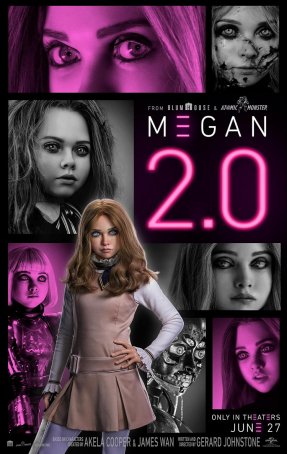
U.S. Release Date: 2025-06-27
MPAA Rating: "PG-13" (Violence, Profanity)
Genre: Science Fiction/Action
Director: Gerard Johnstone
Cast: Allison Williams, Violet McGraw, Amie Donald, Ivanna Sakhno, Aristotle Athari, Jermaine Clement
I have a low tolerance for useless, pointless sequels and an even lower one for those that pad out their running length in the mistaken belief that longer somehow coveys legitimacy.

U.S. Release Date: 2025-06-27
MPAA Rating: "PG-13" (Profanity, Car Crashes)
Genre: Drama
Director: Joseph Kosinski
Cast: Brad Pitt, Damson Idris, Kerry Condon, Tobias Menzies, Kim Bodnia, Javier Bardem
Watching the film, you may not believe you are in a racing car but you will feel like you are doing more than passively sitting in a theater seat.
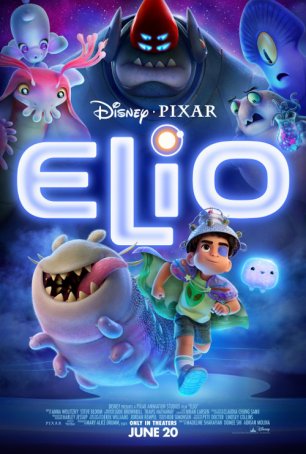
U.S. Release Date: 2025-06-20
MPAA Rating: "PG"
Genre: Animated/Science Fiction
Director: Domee Shi, Madeline Sharafian, Adrian Molina
Cast: Yonas Kibreab, Zoe Saldana, Remy Edgerly, Brandon Moon, Brad Garrett, Jameela Jamil
Long story short: this is a good film for kids, but maybe not so great for adults, and feels less like Pixar than the generic films being churned out by rival animation companies.
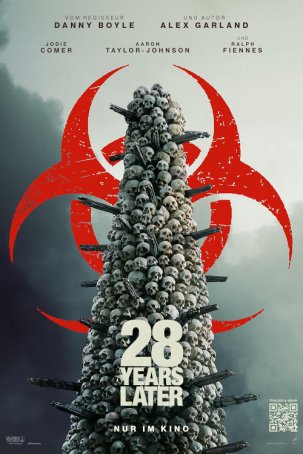
U.S. Release Date: 2025-06-20
MPAA Rating: "R" (Violence, Gore, Nudity)
Genre: Horror/Science Fiction
Director: Danny Boyle
Cast: Alfie Williams, Jodie Comer, Aaron-Taylor Johnson, Ralph Fiennes, Edvin Ryding, Chi Lewis-Parry, Jack O’Connell
Only the unevenness of the proceedings and the lack of a clean ending keep this from greatness.