
U.S. Release Date: 2025-05-23
MPAA Rating: "PG-13" (Violence, Profanity)
Genre: Action/Thriller
Director: Christopher McQuarrie
Cast: Tom Cruise, Henry Czerny, Angela Basset, Esai Morales, Pom Klementieff, Greg Tarzan Davis, Ving Rhames, Simon Pegg, Hayley Atwell, Shea Whigham
A no-holds-barred action-oriented epic that does not much care if it makes sense as long as viewers are amped-up and engaged.
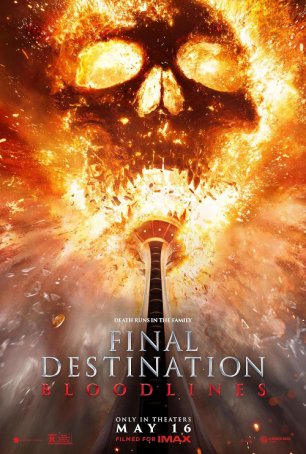
U.S. Release Date: 2025-05-16
MPAA Rating: "R" (Violence, Gore, Profanity)
Genre: Horror
Director: Zach Lipovsky, Adam Stein
Cast: Kaitlyn Santa Juana, Tony Todd, Tinpo Lee, ...
In large part because of a great beginning and a solid ending, this is one of the better entries into the series.
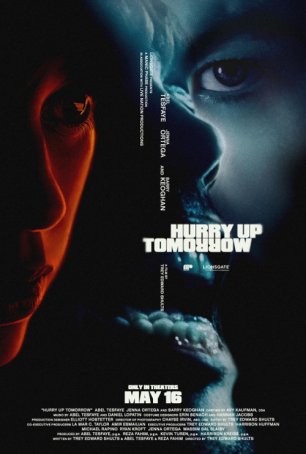
U.S. Release Date: 2025-05-16
MPAA Rating: "R" (Profanity, Violence, Drugs)
Genre: Thriller
Director: Trey Edward Shults
Cast: Abel Tesfaye, Jenna Ortega, Barry Keoghan
"Hurry Up Tomorrow" seems destined for one of two fates: to be buried in the landfill of self-indulgent, ill-advised vanity projects or find a second life as a cult classic.
Latest ReelThoughts
- Jan 3rd 2025 | Rewinding 2024 - The Year in Film
- Jan 3rd 2024 | Rewinding 2023 - The Year in Film
- Jan 4th 2023 | Rewinding 2022 - The Year in Review (Including Top 10 List)
- Dec 31st 2021 | Rewinding 2021: The Year in Film (Including the Top 10)
- Jan 16th 2021 | Rewinding 2020: The Year in Movies (The Top 10)
- Feb 2nd 2020 | Berardinelli's Ballot: The 2020 Oscars
- Dec 31st 2019 | Rewinding 2019: The Year in Review
Latest VideoViews
-
 May 12th 2025 | Something Wicked This Way Comes
- May 1st 2025 | Kill Bill
- Apr 7th 2025 | Tommy Boy
- Mar 6th 2025 | Dazed and Confused
- Feb 10th 2025 | Beyond Utopia
- Jan 30th 2025 | Jackie Brown
- Jan 16th 2025 | Karate Kid, The

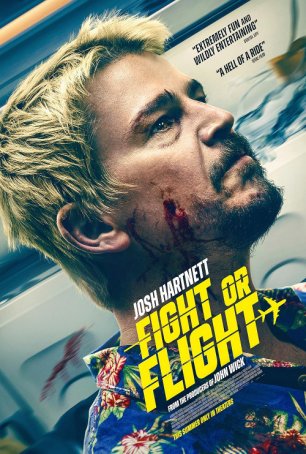
U.S. Release Date: 2025-05-09
MPAA Rating: "R" (Violence, Gore, Profanity)
Genre: Action/Thriller
Director: James Madigan
Cast: Josh Hartnett, Charithra Chandran, Julian Kostov, Katee Sackhoff
There are a few standout moments but there are also a few too many scenes when the movie goes on auto-pilot as if it is reluctant to get really crazy.

U.S. Release Date: 2025-05-02
MPAA Rating: "R" (Violence, Profanity, Sexual Content, Nudity)
Genre: Comedy/Thriller
Director: Paul Feig
Cast: Anna Kendrick, Blake Lively, Henry Golding, Allison Janney, Elizabeth Perkins, Michele Morrone, Elena Sofia Ricci
With the actors and director Paul Feig on board, the only thing no one bothered with was a good screenplay.
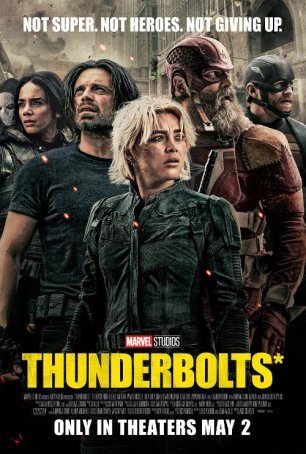
U.S. Release Date: 2025-05-02
MPAA Rating: "PG-13" (Violence, Profanity)
Genre: Action/Adventure
Director: Jake Schreier
Cast: Florence Pugh, Sebastian Stan, Julia Louis-Dreyfus, Lewis Pullman, David Harbour, Wyatt Russell, Hannah John-Kamen, Geraldine Viswanathan
Bringing together the flotsam and jetsam of the MCU imparts the “back to basics” feel of Thunderbolts* with a welcome sense of freshness.

U.S. Release Date: 2025-04-25
MPAA Rating: "R" (Violence, Gore, Profanity)
Genre: Horror
Director: David F. Sandberg
Cast: Ella Rubin, Michael Cimino, Odessa A’zion, Ji-young Yoo, Belmont Cameli, Maia Mitchell, Peter Stormare
Like far too many game-to-film adaptations, the better option is to fire up the PS5 and stay far, far away from the multiplex.

U.S. Release Date: 2025-04-25
MPAA Rating: "R" (Violence, Profanity)
Genre: Thriller
Director: Gavin O'Connor
Cast: Ben Affleck, Jon Bernthal, Cynthia Addai-Robinson, Daniella Pineda, J.K. Simmons, Robert Morgan, Grant Harvey
The movie works when focused on character interaction and buddy-movie tropes, but the action elements are perfunctory at best and boring at worst.

U.S. Release Date: 2025-04-18
MPAA Rating: "R" (Violence, Gore, Profanity, Sexual Content)
Genre: Horror
Director: Ryan Coogler
Cast: Michael B. Jordan, Li Jun Li, Delroy Lindo, Omar Benson Miller, Jayme Lawson, Wunmi Mosaku, Jack O’Connell, Miles Caton, Hailee Steinfeld, Yao
Warts and all, "Sinners" is a wholly original motion picture full of bravura moments, strong performances, and horror-appropriate gore and violence.
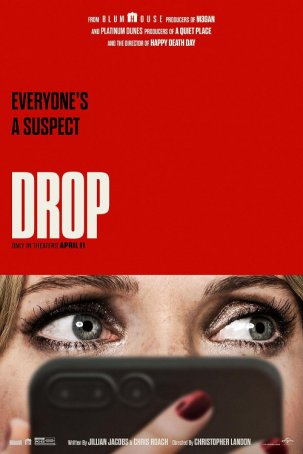
U.S. Release Date: 2025-04-11
MPAA Rating: "PG-13" (Violence, Profanity)
Genre: Thriller
Director: Christopher Landon
Cast: Meghann Fahy, Brandon Sklenar, Violett Beane, Jacob Robinson, Reed Diamond
Starts out with Hitchcockian flair and rides a dizzying wave of anxiety-based mystery until, like far too many underwritten thrillers, it falls apart.